Contact
Talk to Mikael directly
The quickest route is a free Readiness Check, a short call to work out whether a build is the right move for you. If you would rather write first, email is fine and a few plain lines will do.
Either way it comes to me and I read it myself. Nothing goes into a queue.
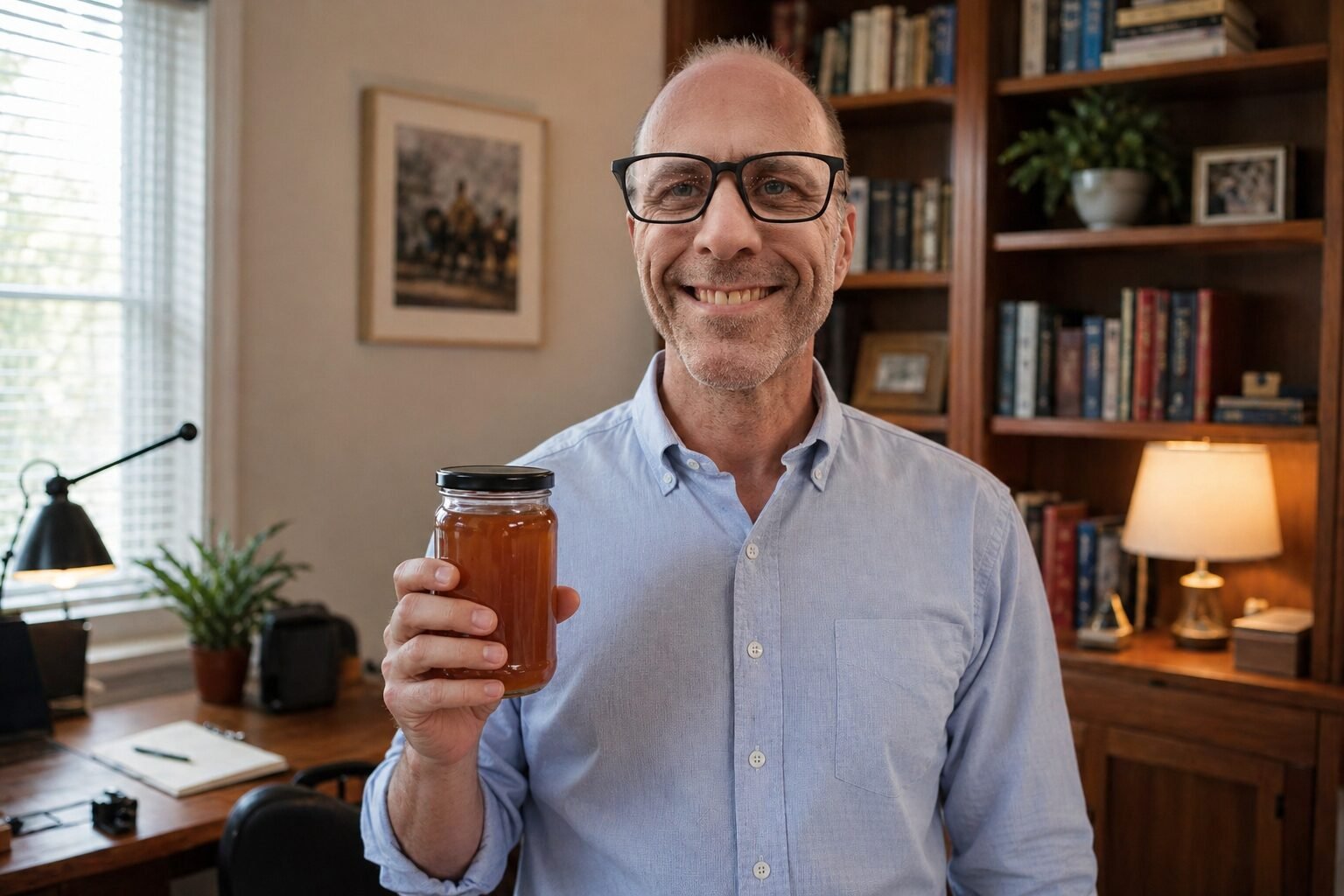
Mikael Lindback, founder
I build done-with-you LinkedIn and email outreach systems inside founder-led B2B service firms over 90 days, then hand them over.
Ways to reach me
Pick whichever is easiest for you
You do not need the scope, the budget or the full answer worked out first. What is not working and where it gets stuck is enough.
Call
Book a Readiness Check
Free, short, and it ends with a plain answer either way.
Email
sales@gopartnering.com
A few plain lines are enough. Replies within one working day.
WhatsApp
Start a chat
Good for a quick question before you decide anything.
LinkedIn
Follow or message Mikael
Where the thinking behind the build gets posted every week.
What happens next
Three steps, no chasing
1
You book or write
A call slot or a short email. It lands with me, not a team or an inbox nobody reads.
2
You get a plain answer
Including when there is no fit. Being told no is a real outcome here and it saves us both time.
3
If it fits, TrueMark
A structured clarity session on your offer and audience. Free for the first 10, normally A$990.
Proof
What a first conversation led to for EverCert
An ISO and HSEQ consultancy in Sydney that wanted to stop paying for outsourced lead generation and own the system instead.
4 weeksTo their first booked qualified meeting
A$30k to A$15kTheir annual lead generation cost after handover (estimated)
OwnedTheir team runs it without us
One client's case. The current figure is an estimate, not a promise.
Next step
Start with the call, or the scorecard
The Readiness Check is free and short. If you would rather see where your growth is leaking first, the scorecard takes two minutes and shows you the one gap to fix.
GoPartnering is a brand operated by Mountain Air.